A Guide to House Underpinning – And When To See A Professional

With climate models forecasting hotter, drier summers that will put increased stress on soil and housing foundations, an estimated 6.64 million properties in the UK will be at medium to high risk of subsidence by 2030.

When the ground beneath a building becomes unstable, the structural integrity of the home is at risk. Underpinning provides a crucial solution for homes in need of added foundation support.

But how do you know if your house needs underpinning, what does the process involve, and when is it time to call in the experts?

This guide explains what house underpinning is, why it’s used, how it works, how much underpinning costs in the UK, and when alternative solutions may be more appropriate. The aim is to give you clear, practical information so you can make the right decision with confidence.

What does underpinning a house mean?

Underpinning is a method used to reinforce and strengthen the foundations of an existing building. It’s used where foundations have moved, weakened, or need to carry additional load.

Over time, foundations can weaken due to soil changes, poor initial construction, or additional structural loads. The process involves deepening or widening the foundation to provide better support, with various underpinning methods such as mass concrete underpinning, beam and base underpinning, or more modern techniques like resin injection.

Each method addresses specific foundation issues to stabilise and protect the structure.

What is an underpinning foundation?

An underpinning foundation is the strengthened foundation system created during the underpinning process. Depending on the site conditions and design, this may involve:

  • Reinforced concrete beneath existing foundations
  • Mini piles transferring load to deeper bearing strata
  • Beams and bases spreading loads more evenly

The exact underpinning detail depends on soil type, depth to competent ground, access and the condition of the structure.

Why Might a House Need Underpinning?

A house may need underpinning when its foundations can no longer safely support the structure. This is usually due to changes in ground conditions or increased load on the foundations over time.

Subsidence

Subsidence occurs when the ground beneath a house shifts, causing the foundation to sink or settle unevenly. This can result in serious structural damage if not addressed. In the UK, subsidence is a growing concern, particularly in areas with clay-heavy soils that expand and contract with moisture levels. See our guide for for more information on What Causes Subsidence and How to Manage It.

The top three causes of subsidence in the UK in 2024 are: 
  • Root-induced clay shrinkage: 60% of cases 
  • Running water: 18% of cases, from leaking drains or mains water supply pipes 
  • Poor ground: 18% of cases, including infill and consolidation issues

These issues affect how loads are transferred from the building into the ground and can lead to ongoing movement if left unresolved.

Signs That Underpinning May Be Required

Signs of foundation movement can be worrying, but they don’t automatically mean underpinning is needed.

Foundation Damage

Natural events such as tree root intrusion or prolonged water exposure can significantly compromise a foundation’s stability. Substandard construction methods, such as insufficient footing depth or using poor-quality materials, can also cause the foundation to fail prematurely.

Change To The Structure

Adding an additional storey or extending a property can put extra strain on existing foundations. If the current foundation is not strong enough to bear the added weight, underpinning may be necessary to ensure the house remains structurally sound.
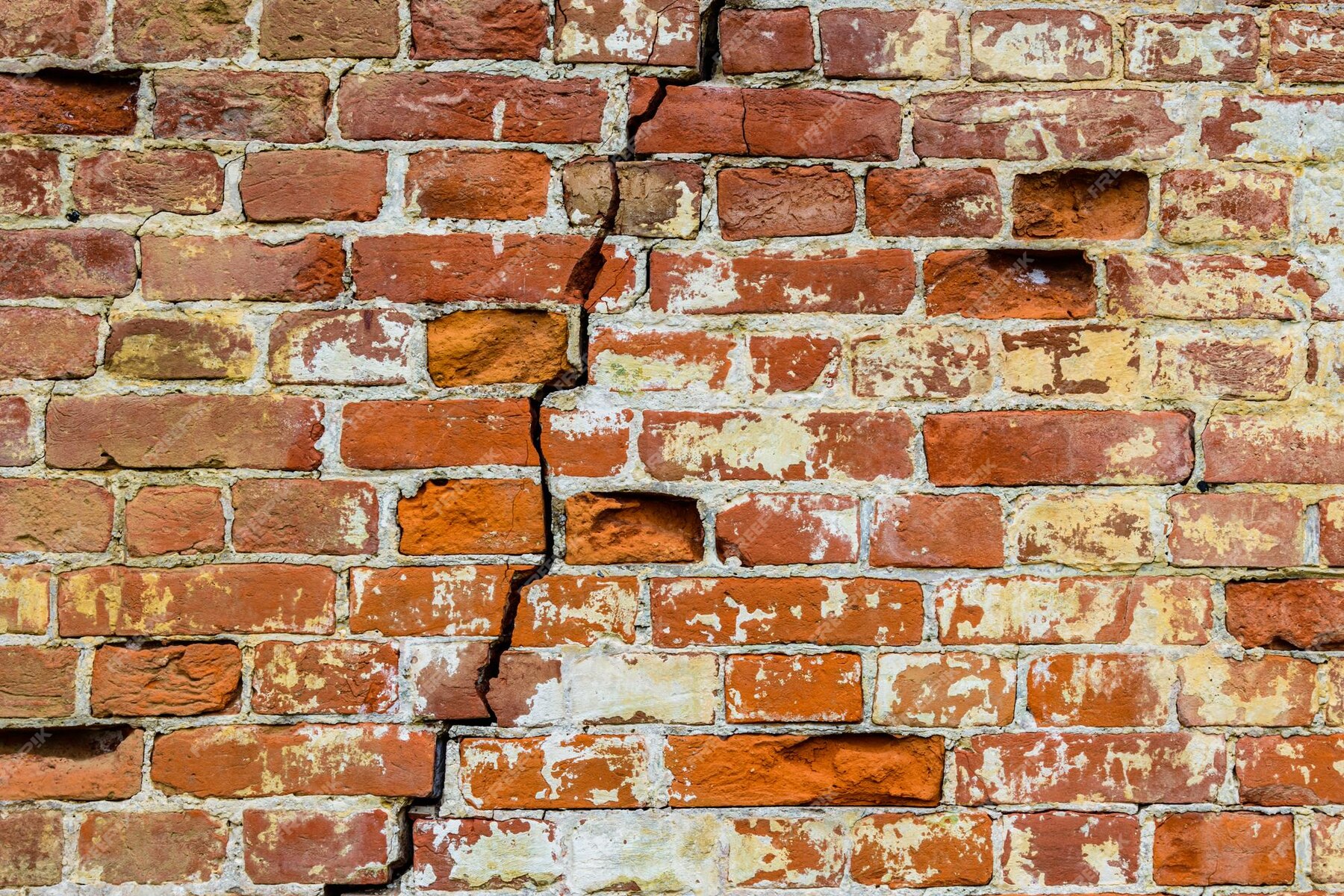
What to Look Out For

Homeowners should watch for early warning signs that may indicate foundation problems:

  • Stepped or diagonal cracks in brickwork
  • Doors and windows sticking
  • Uneven or sloping floors
  • Gaps between walls and ceilings
  • External cracking that widens over time
If you notice any of these signs, it’s important to seek professional advice as soon as possible. Early intervention can prevent further damage and reduce the cost and complexity of underpinning work. At Pile Foundations, we specialise in underpinning and foundation repair, to ensure your home remains safe and stable.

How Is a House Underpinned?

Underpinning a house is a controlled engineering process designed to stabilise foundations and transfer loads safely into suitable ground.

Step by step: how underpinning typically works

  1. Assessment and design
    A structural engineer inspects the property and designs the underpinning solution.
  2. Ground investigation
    Soil conditions are confirmed to support the underpinning detail.
  3. Sequenced working
    Work is carried out in short sections to maintain stability.
  4. Excavation beneath foundations
    Each section is excavated to the required depth.
  5. Installing the underpinning solution
    Reinforced concrete, mini piles or beams and bases are installed as specified.
  6. Curing and inspection
    Each section is allowed to gain strength before work continues.

Types of Underpinning Foundations

There’s no single underpinning solution that suits every property.

Traditional mass concrete underpinning

Used where access is good and foundations are shallow. It extends foundations using reinforced concrete.

Beam and base underpinning

Uses beams to redistribute loads onto concrete bases, often reducing excavation.

Mini piled underpinning

Uses small-diameter piles to transfer loads to deeper ground. Common on urban sites and poor surface soils.

How Much Does It Cost to Underpin Your House?

The cost of underpinning varies depending on several factors, including the size of your property, the underpinning method used, and the extent of the issue.

The average cost of underpinning per square metre ranges between £1,500 and £2,600. Mass concrete pouring is typically the most affordable option, averaging around £1,500 per square metre, while piling, a more complex method, can reach up to £2,600.

However, more extensive underpinning could push costs higher, particularly for larger homes or those with significant structural damage. It’s essential to consult a professional for a tailored quote.


When To Consult A Professional

If you spot any signs of subsidence or foundation issues, it’s essential to reach out to a professional structural engineer or contractor immediately. They’ll assess the problem and advise on the best course of action, whether it’s minor repairs or a full underpinning solution.

Need expert underpinning services? The experienced team at Pile Foundations will guide you through the process and ensure your home remains safe and secure. Get in touch today for a no-obligation consultation!

House Underpinning FAQs

Yes, in the UK, underpinning requires building regulations approval. This is to ensure that the work meets strict safety and structural standards. A structural engineer must assess the foundation and supervise the process to ensure compliance with the regulations. For more information on underpinning regulations, see our guide here.

Underpinning can affect a property’s value. While it can resolve structural issues, some buyers may be wary of purchasing a home that has needed underpinning. However, having a certification from a structural engineer stating that the underpinning work was done properly can reassure potential buyers.

In many cases, you can remain in your home during underpinning, especially if the work is confined to certain areas. However, there may be disruptions, such as noise and vibrations, depending on the scope of the project.

The timeframe for underpinning can vary based on the size and complexity of the project. Typically, most underpinning jobs take anywhere from a few weeks to a couple of months to complete. For an accurate timeline tailored to your property, feel free to get in touch with us.

When done correctly, underpinning can resolve subsidence issues. However, if the root cause of the subsidence (like poor drainage or nearby tree roots) isn’t addressed, the problem could return.

Underpinning costs in the UK typically range from £1,500 to £2,600 per square metre. The final cost depends on method, depth, ground conditions and extent of work.

No. Many cracks are cosmetic or caused by minor movement that’s already stabilised. A structural assessment is needed before underpinning is considered.

The most common causes are clay shrinkage due to tree roots, leaking drains or water pipes, and poor ground conditions such as infill.

Last updated: 22 January 2026
Privacy Overview

At Pile Foundations we respect your privacy and we promise to:

  • Use your personal information only to provide you with the information you have requested or have agreed to receive.
  • Keep your data safe and secure and process it in a manner that follows your wishes.
  • Use cookies and web beacons (but only those which don’t personally identify you) to improve the quality and relevance of the messages we send you.
  • Assist you to change your mind at any time about the communications you have signed up to receive.
  • Only disclose your data to third parties for marketing purposes when you have said it’s OK to do so.