
Underpinning methods
Underpinning is a process of strengthening the foundations of a building to ensure that it is secure. Underpinning can be done using a variety of methods, including the pit method, angle piling and even underpinning to walls. Here we have compiled the key differences and characteristics of these different types of underpinning methods.
Pit method
Probably the most traditional underpinning method is the pit method, also known as the mass concrete underpinning method.
For this method, the full length of the foundation that is going to be underpinned is split into portions of 1.2 to 1.5 metres in length. To begin, a hole is drilled in the wall above the plinth level, and a needle made of wood or steel is put into the hole.
Bearing plates are used to hold the brickwork above the needle. The needle is supported by wooden blocks on both sides of the wall, as well as screw jacks.
After that, a foundation pit is dug up to the needed level of the new foundation, which is then poured into the pit. When one portion\’s work is completed, work on the following section begins.
Underpinning to walls
Another underpinning method is underpinning to walls. To do this, the wall should be separated into legs for bays, and each bay needs to be addressed separately to prevent fracture, damage, or settlement of the walls.
There are various elements that influence leg and bay length, including the length of the wall, the bearing capacity and kinds of soil and the wall\’s strength and stability.
Angle piling
The angle piling method is a straightforward alternative to typical underpinning procedures. There is no need for a big amount of excavation, so it doesn’t cause a wide-scale disruption. The wall is reinforced with concrete piles put in pairs at opposing angles not more than 1 to 2 m away. The floor is pre-drilled with an air flushed percussion auger in this operation.
Steel liner is then driven into the poor grade/clay subsoil through this drill hole until it reaches the hard stratum. Applying angle piling on both sides of a wall can be tricky in many situations. When it comes to the state of the subsoil, it may occasionally be improved by following this method from only one side. Piles can be set closer together for increased stability.
Beam and base method of piling
In the beam and base technique, a reinforced concrete beam is erected above, below, or to replace the present footing. This beam transfers the structure\’s weight to multiple mass concrete bases strategically positioned, the location and size of which are determined by the ground conditions and the size of the impacted property.
The sort of beam structure employed will be determined by the type of building and the location of the loads. Heave protection precautions are frequently integrated into the design of the underpinning works if there is a risk of clay soils expanding after the measures are applied. This method shares a number of similarities with the pit method of underpinning.
Other foundation underpinning methods
Besides the methods stated above, there are a few others that might work better depending on the type of project you are undertaking. For example, a single concrete beam might be inserted beneath the existing foundations for a less intrusive procedure. Jet grouting offers the benefit of requiring no excavation. This entails injecting a resin or chemical component into the ground, which fills any voids and adds additional support.
In the vast majority of subsidence occurrences, mini-piling is currently the preferred underpinning approach. Piles are pushed or drilled down through the weaker soil to a level of firmer soil or bedrock that can more effectively hold the weight. It has the benefit of creating minimal interruption because it does not need excavation.
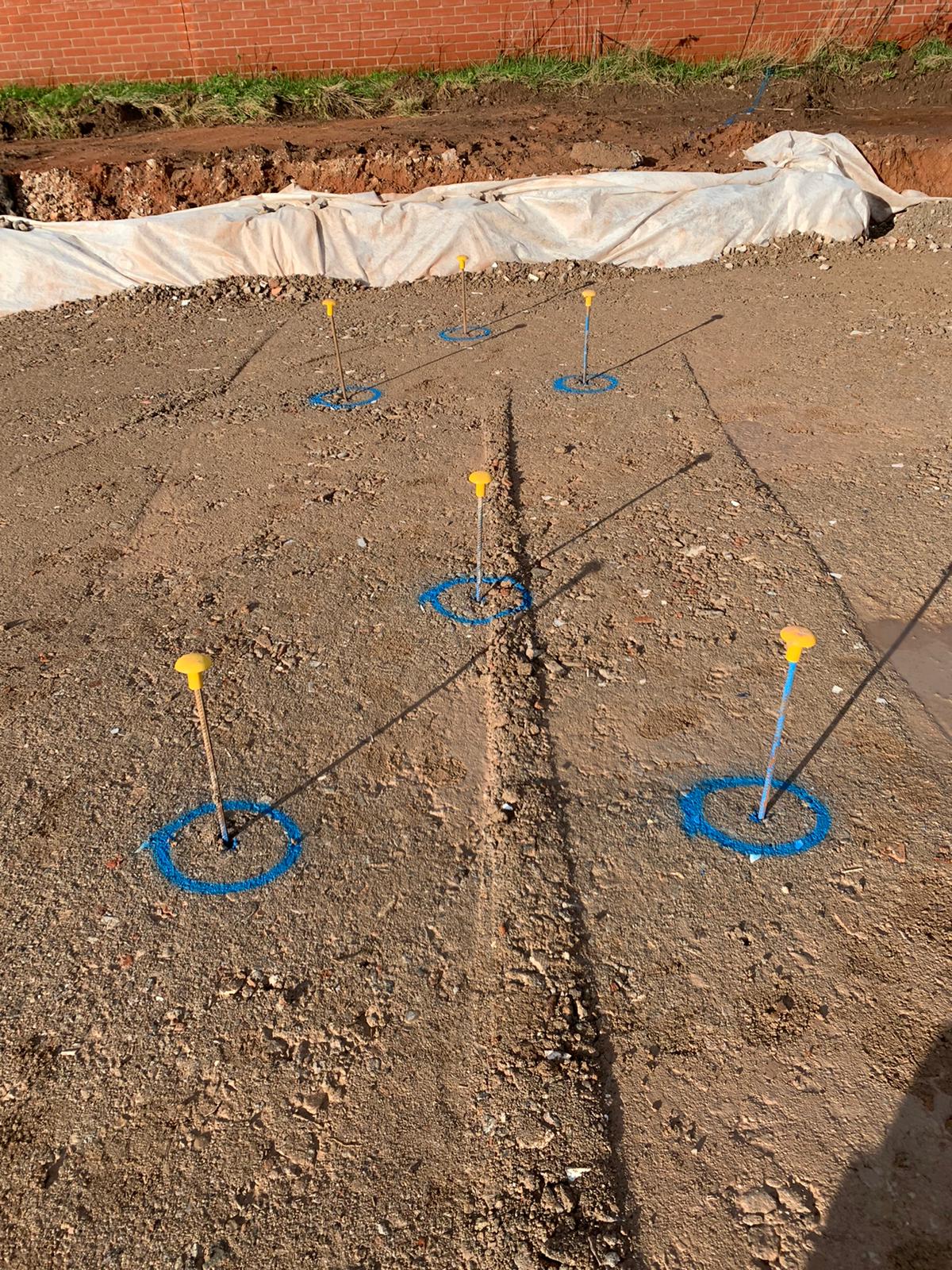
If you would like to discuss any piling projects or find out which piling method is best for you, get in touch with our team of expert piling contractors.